Replace Copper Components with MIM Alternatives
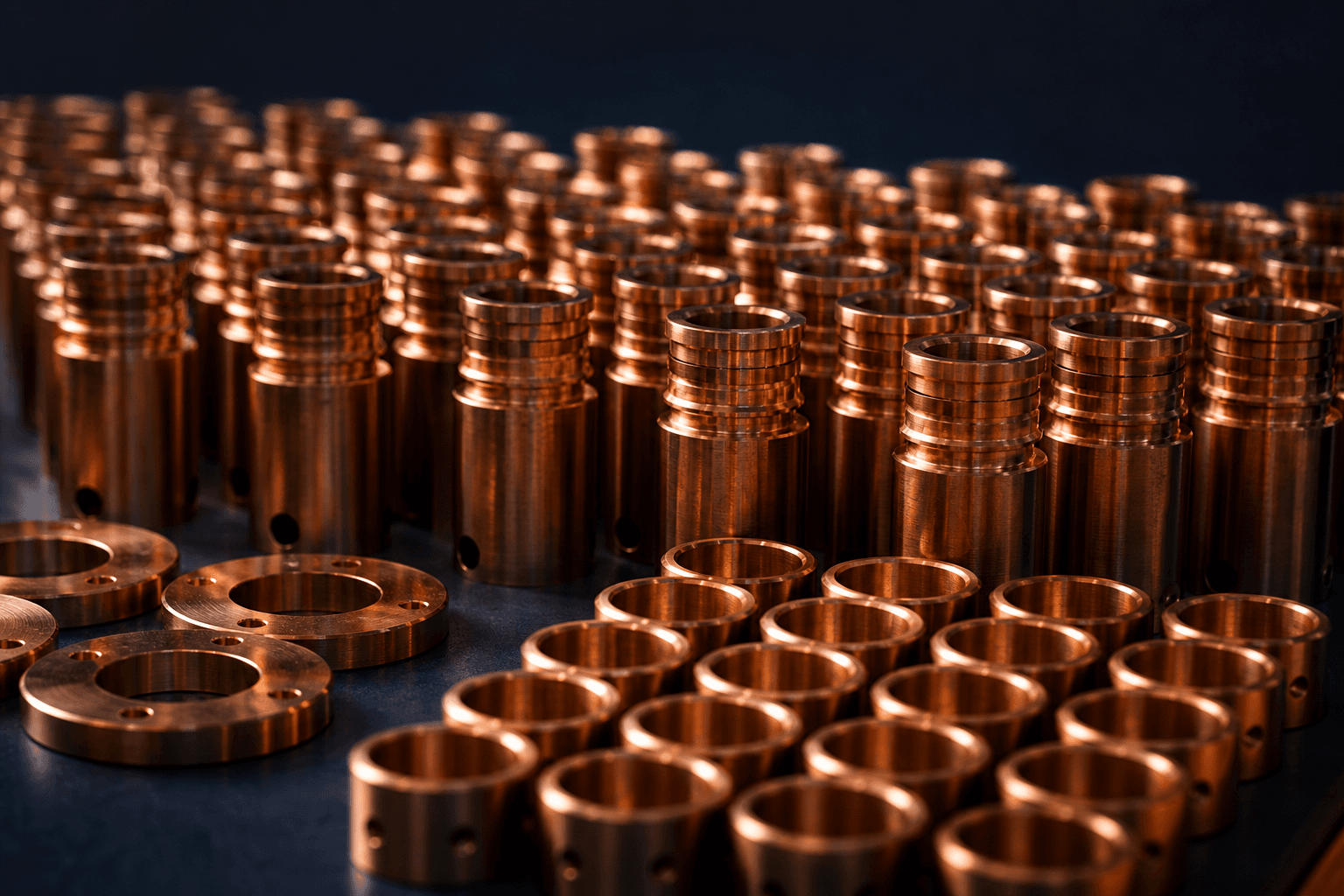
Copper components face material volatility and supply pressure, but copper is often chosen for conductivity. We help manufacturers separate structural copper parts that may be redesigned from electrical or thermal applications that require caution.
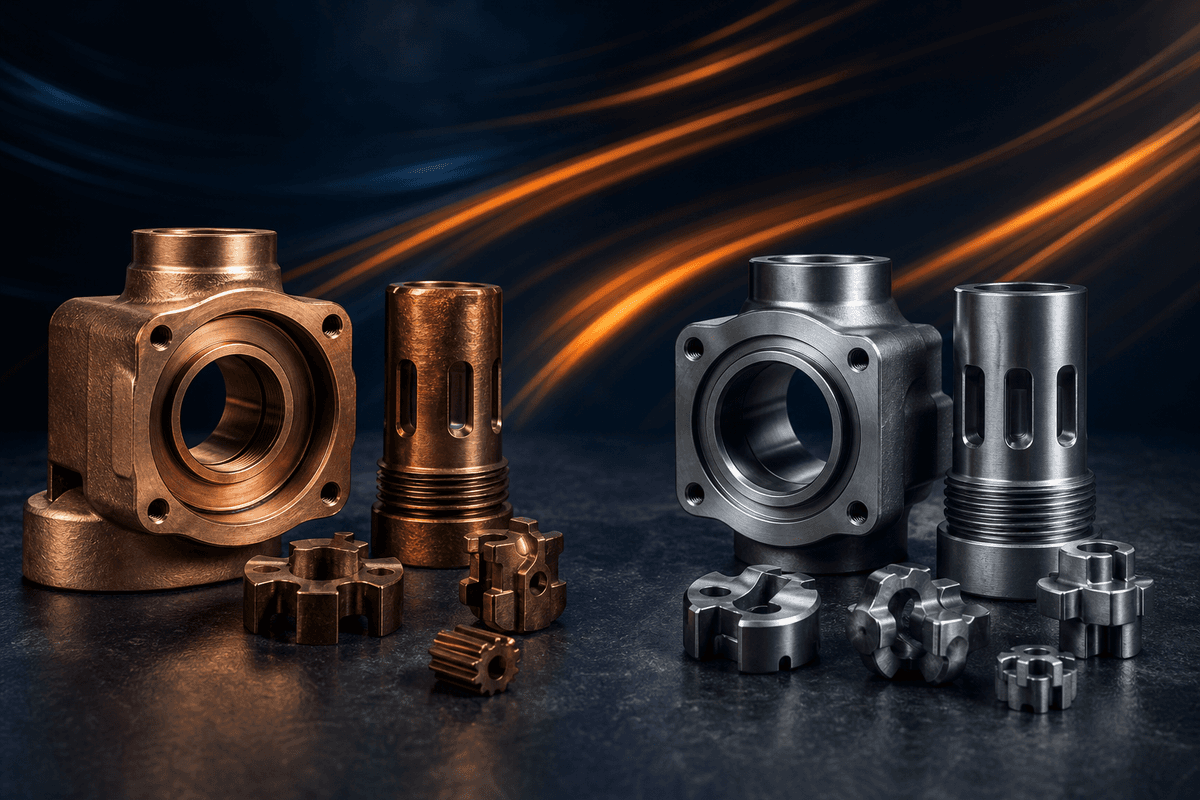
Copper Replacement Requires Careful Engineering
MIM should not be presented as a direct substitute for pure copper in high-conductivity applications. If your part carries current or transfers heat, we need to review conductivity, contact area, temperature, coating and performance targets before suggesting any alternative.
Copper Parts Worth Reviewing
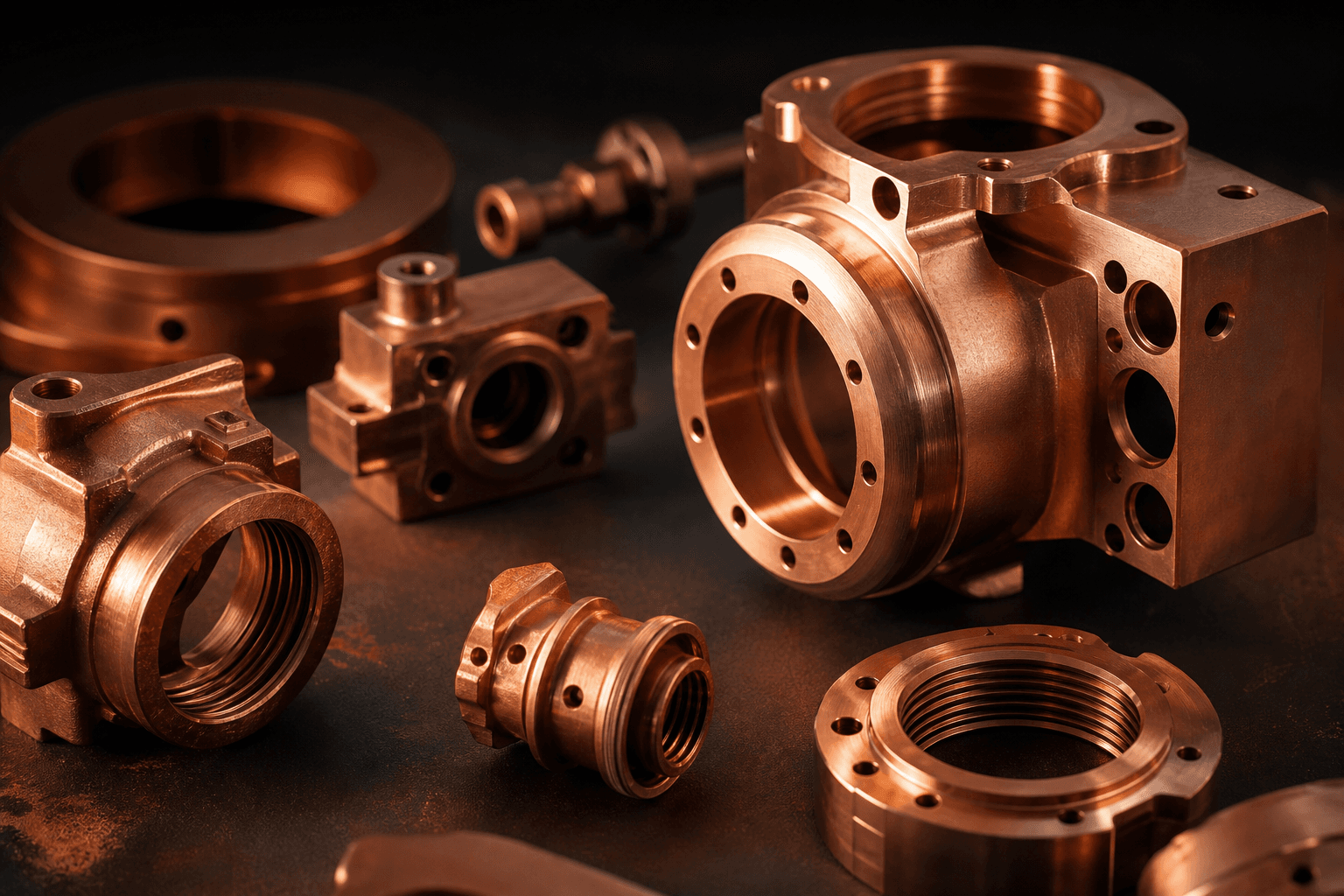
Structural copper-alloy components
Parts where geometry, corrosion resistance or assembly design matters more than maximum conductivity.
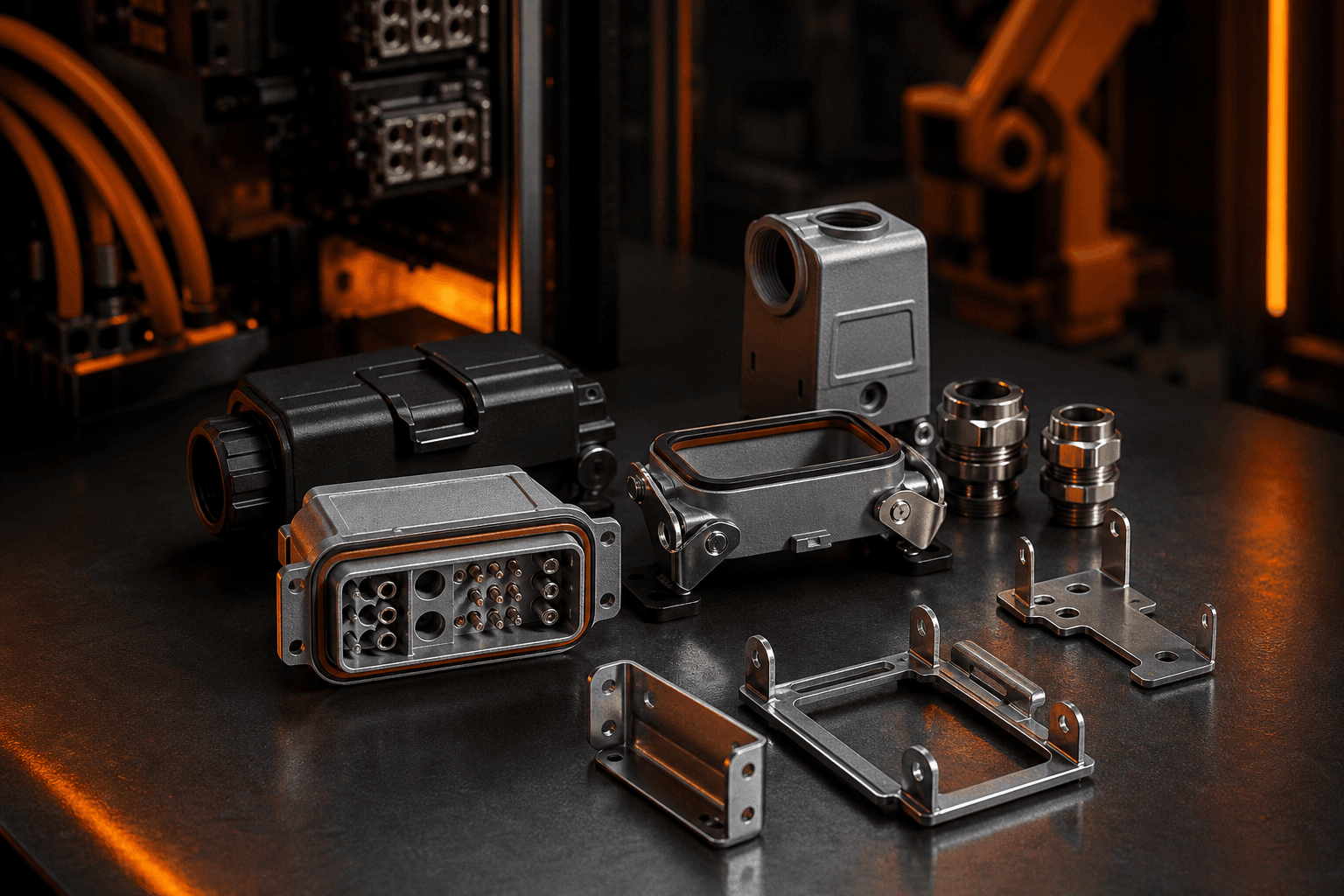
Connector housings and supports
Non-conductive-load features around electrical assemblies may be candidates for MIM redesign.
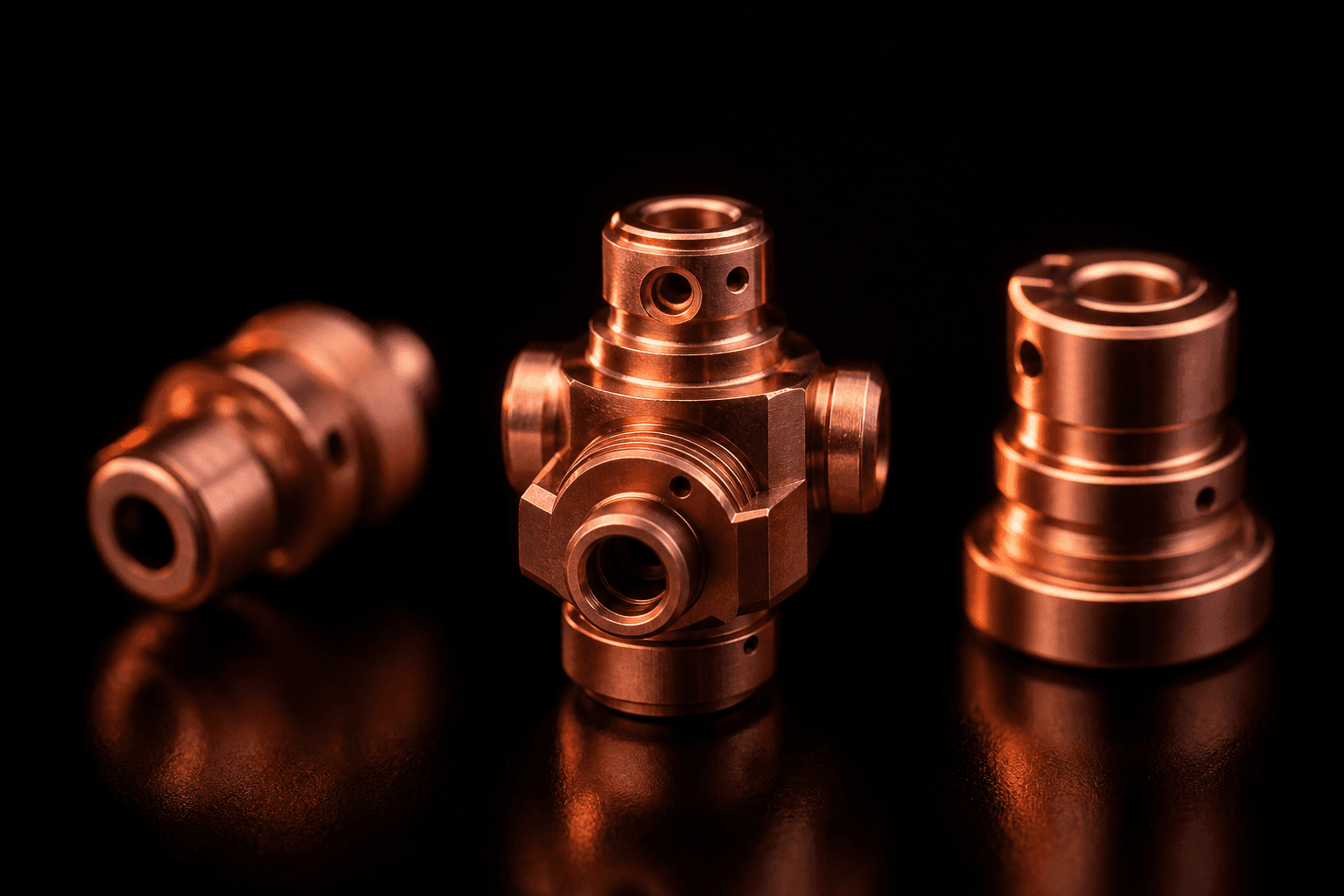
Complex small hardware
Copper or copper-alloy pieces with expensive machining operations.
Cost-sensitive high-volume parts
Stable programs where copper exposure creates margin pressure.
What a Copper Review Clarifies
Conductivity risk
We identify whether conductivity makes replacement unrealistic.
Material options
We compare stainless, copper MIM or other MIM alloys only where they fit the function.
Process cost
We review machining waste, cycle time and tooling payback.
Redesign path
We suggest practical geometry changes instead of generic process claims.
Potentially Suitable Copper Applications
MIM may have a role when copper is not being used primarily for pure electrical or thermal performance.
Structural parts near electrical systems
Supports, brackets, housings or retainers where conductivity is secondary.
Copper alloy parts with complex geometry
Parts where machining cost is driven by shape rather than simple material removal.
Parts that can change material
Applications where stainless, low alloy steel or another MIM material can pass performance tests.
High-volume repeat parts
Programs with stable geometry and annual demand.
When MIM Is Usually Not a Direct Copper Replacement
These applications need special caution and may stay copper.
Pure copper-level conductivity
Bus bars, high-current contacts and thermal conductors may require copper performance.
Unknown electrical load
Replacement should not proceed without current, temperature and resistance data.
Very low volume prototypes
Tooling economics may not work.
Large simple copper shapes
Stamping, machining or extrusion may remain better.
How Copper Replacement Is Evaluated
The review starts with performance risk, then cost. A lower-cost part is not useful if conductivity, thermal behavior or reliability fails.
Conductivity requirement
Electrical and thermal function determines whether replacement is possible.
Current material grade
Pure copper and copper alloys have different replacement constraints.
Annual quantity
Higher volume improves MIM economics.
Geometry and machining load
MIM is more relevant when complexity drives cost.
What We Need to Review Your Part
Frequently Asked Questions
Can MIM make copper parts?
Copper MIM exists, but feasibility depends on density, conductivity, geometry and production requirements. It should be reviewed case by case.
Can MIM replace pure copper?
Not automatically. Pure copper is often selected for conductivity, and MIM alternatives may not match that performance without detailed validation.
What if the part carries current?
Share current, resistance, temperature and contact requirements. We will first determine whether replacement is technically realistic.
Which copper parts are candidates?
Structural or complex copper-alloy components with high machining cost are more likely candidates than high-conductivity electrical parts.
Upload your copper part for a careful replacement review
We will check conductivity risk first, then evaluate whether MIM can reduce cost for your application.
Upload Your Copper PartRelated pages