MIM vs Investment Casting for Small Metal Parts
Investment casting suits many metal shapes, but cleanup, tolerance scatter and low yield on complex small parts can erode economics at volume. MIM can be a better path when geometry is small, repeatable and difficult to cast consistently.
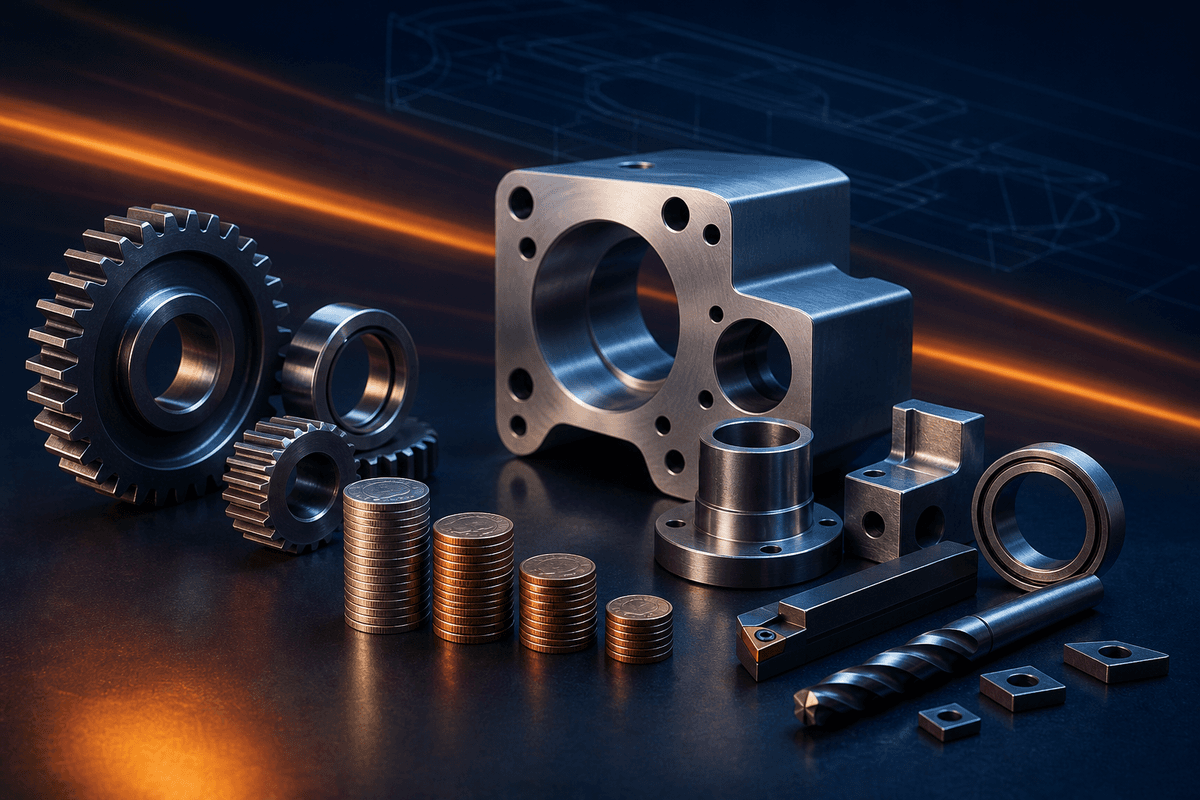
Where Investment Casting Becomes Expensive
Casting issues often appear as gate removal, dimensional scatter, porosity risk, finishing labor and inspection load. MIM is worth evaluating when annual volume is stable and the part needs tighter repeatability with less post-cast machining.
Cast Parts Worth Comparing Against MIM
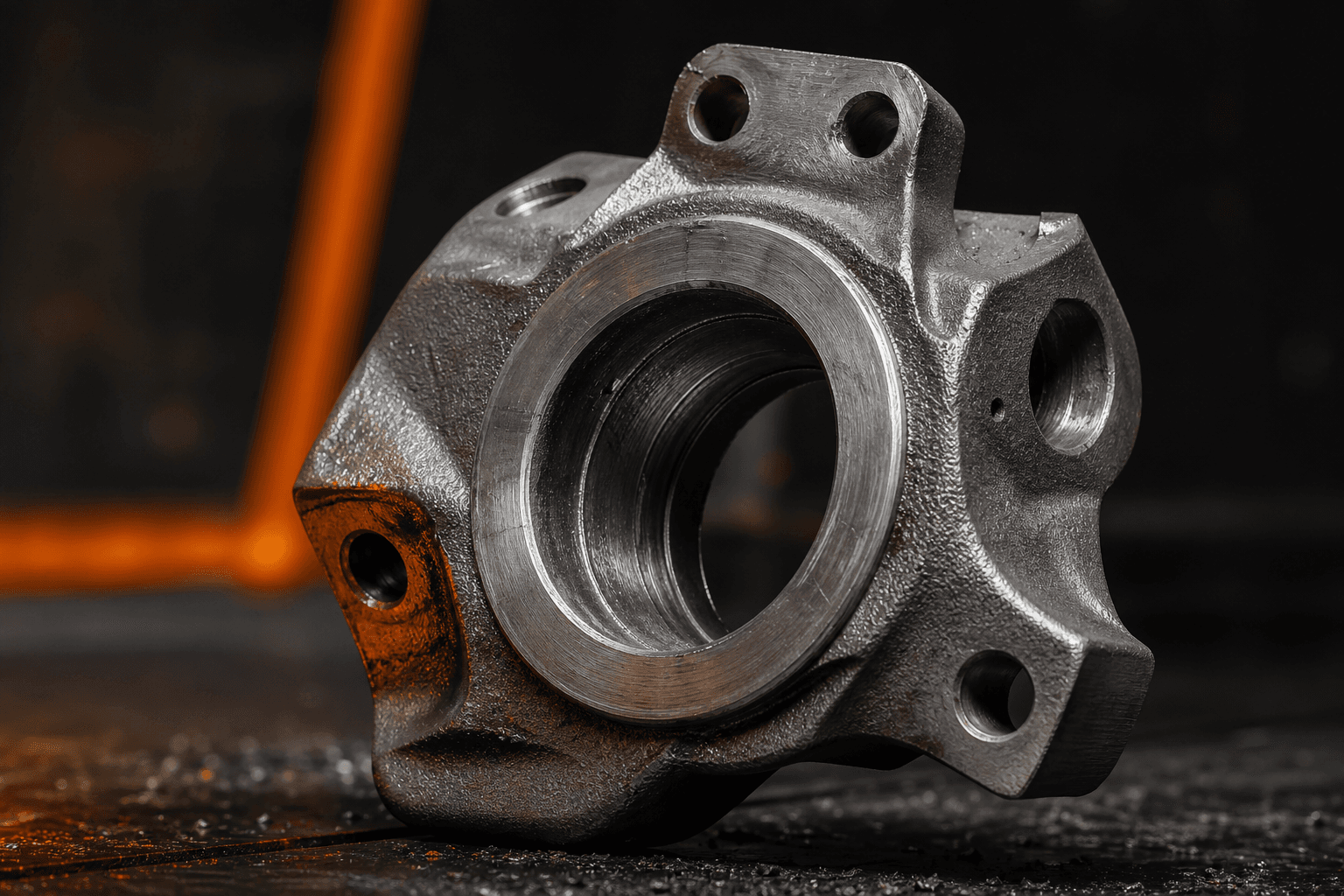
Precision cast parts needing cleanup
Components with excessive gate grinding, blending and dimensional correction.
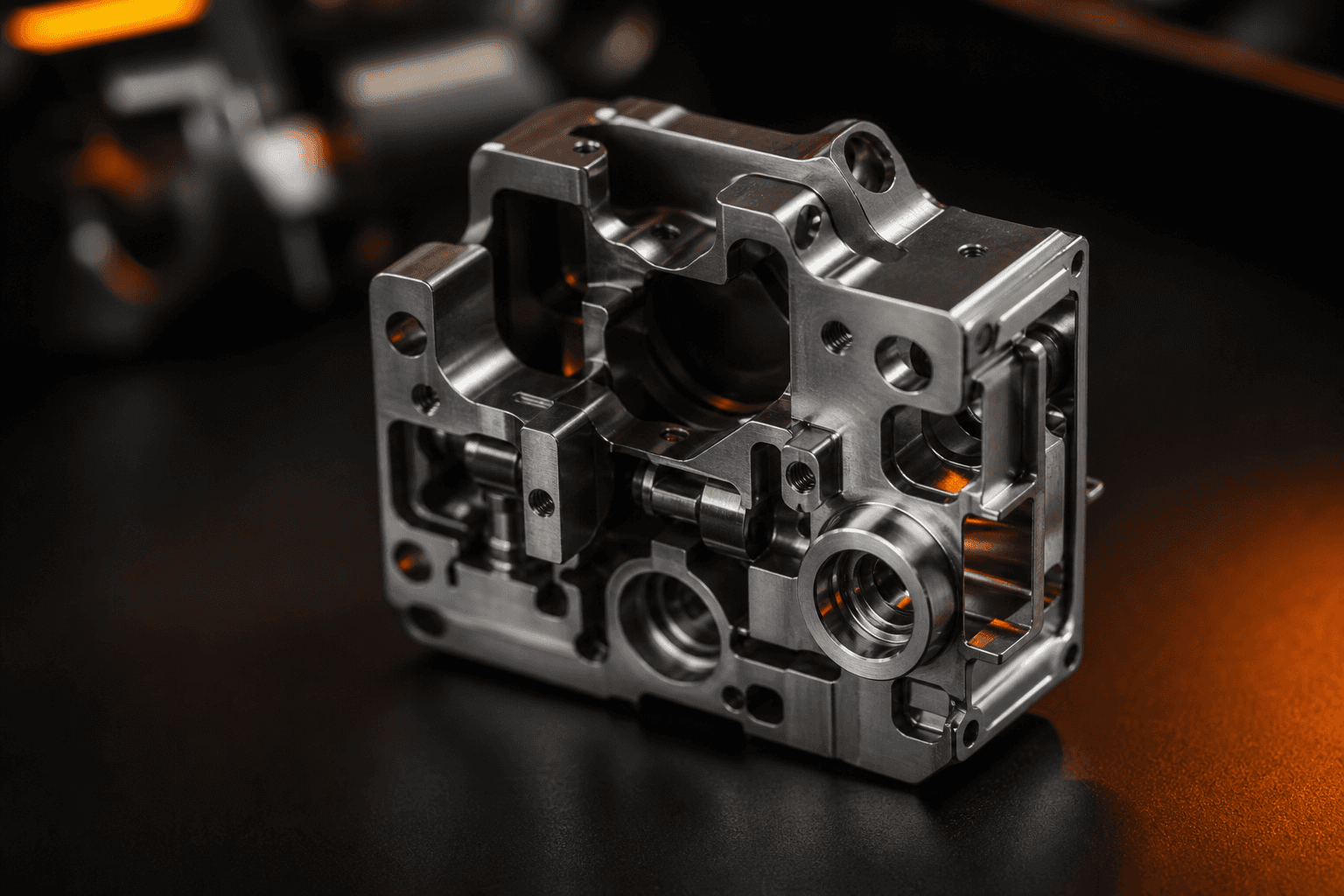
Small complex cast geometry
Thin walls, internal features or asymmetric shapes with low casting yield.
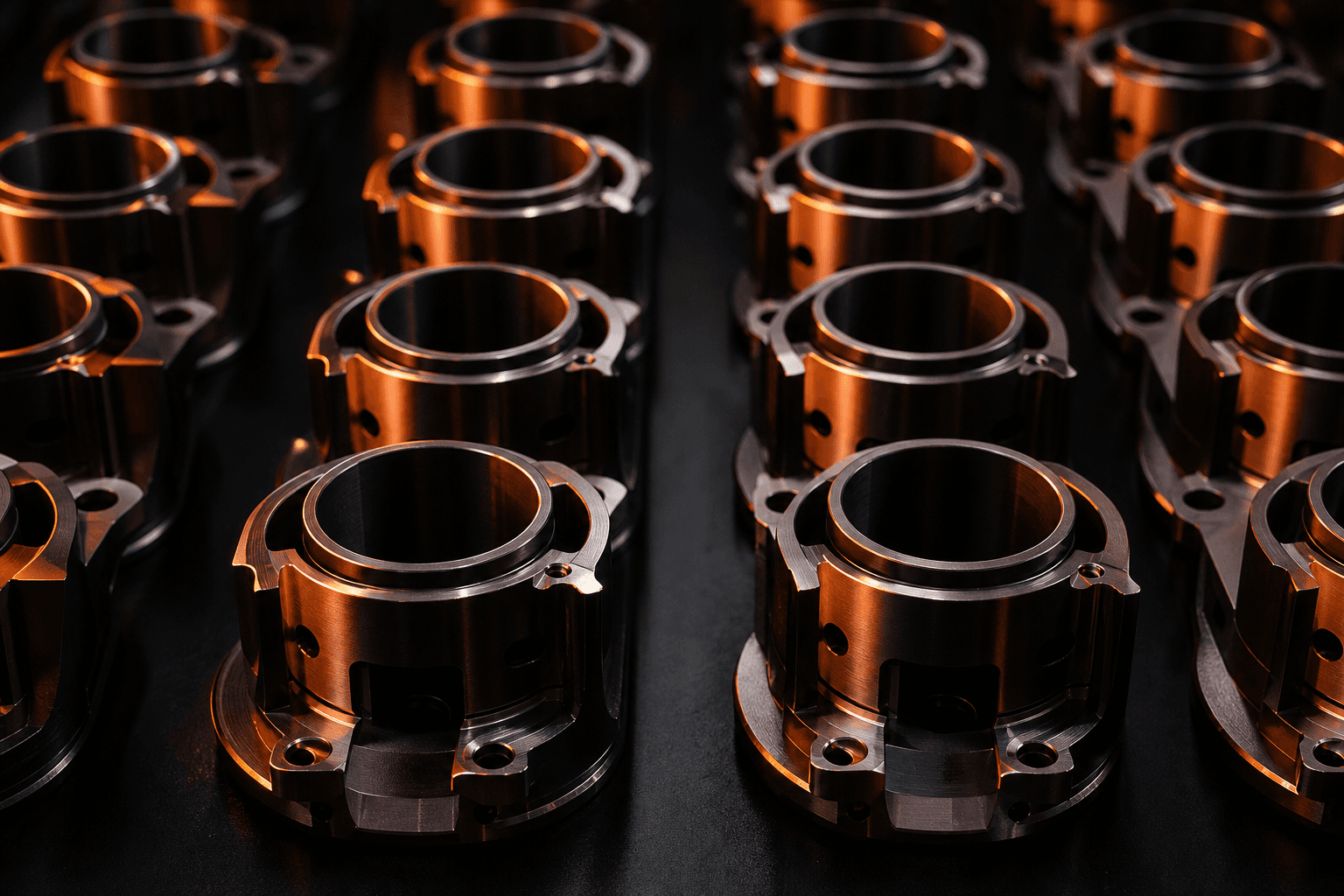
High-volume cast SKUs
Stable programs where tooling-based MIM can beat recurring casting variability.
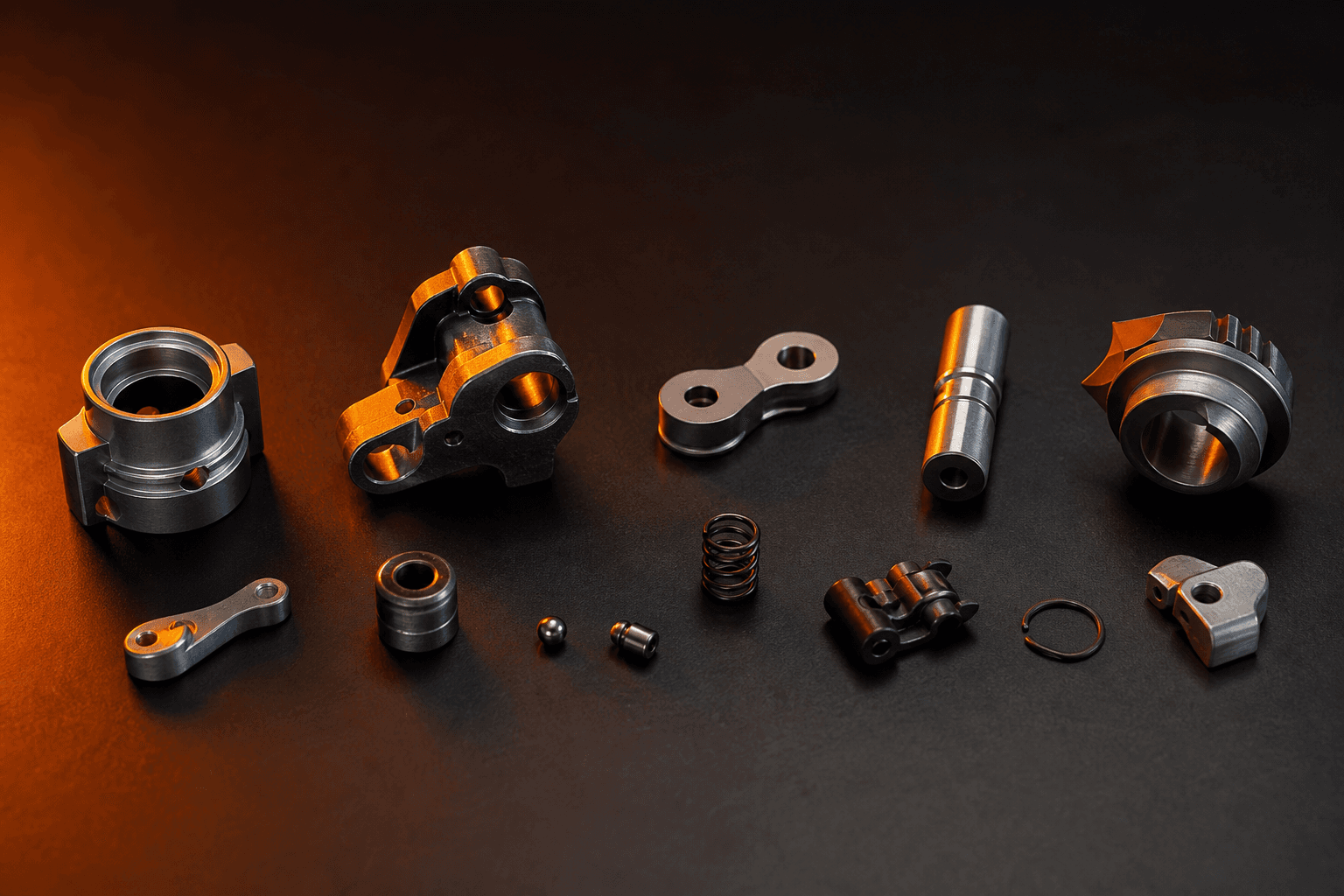
Cast assemblies with tight tolerances
Parts where post-cast machining multiplies cost to hold sealing or fit interfaces.
Where MIM Can Win Over Casting
Tighter repeatability
Tooling-based MIM can reduce lot-to-lot variation versus some cast routes.
Less finishing labor
Near-net MIM geometry can reduce gate removal and blending work.
Complex small features
MIM forms internal geometry that is slow to cast and finish consistently.
Volume scaling
Economics improve when the same design is produced at OEM scale.
Good MIM vs Casting Candidates
The strongest comparisons combine small size, complexity, stable volume and measurable casting cleanup cost.
Stable annual demand
The design is mature enough for MIM tooling payback.
High casting cleanup load
Finishing and inspection are a major part of current unit cost.
Complex small geometry
Part size and feature density fit MIM processing windows.
Tolerance plan allows MIM plus targeted machining
Only critical surfaces need very tight precision after sintering.
Where Casting Still Wins
Some parts should remain cast, forged or machined.
Very large simple castings
MIM is optimized for smaller, complex components.
Prototype and low-volume work
Casting avoids hard tooling commitment for early designs.
Extremely tight all-over tolerances
MIM may need secondary machining or may not be suitable.
Frequent design changes
MIM tooling is best after design freeze.
MIM vs Casting Cost Model
Compare tooling, casting yield, cleanup labor, machining, inspection, scrap and annual volume — not just quoted casting price per kg.
Casting yield and cleanup
Gate removal, blending and scrap drive true casting cost.
Tolerance and finishing
Secondary operations must be included in both routes.
Annual quantity
Volume determines MIM tooling payback versus recurring casting labor.
Geometry complexity
MIM becomes stronger when casting consistency is hard to hold.
What We Need to Review Your Part
Frequently Asked Questions
Is MIM more precise than investment casting?
MIM can hold tighter typical tolerances on small complex parts, but critical features may still need targeted post-sinter machining on either route.
When should I switch from casting to MIM?
Review MIM when annual volume is stable, casting cleanup is expensive, and the part is small and complex enough to fit MIM DFM.
Can MIM replace lost-wax cast parts directly?
Usually not without redesign. Most conversions adjust wall thickness, draft and sintering support strategy.
What files are needed for comparison?
A 3D model, 2D tolerance drawing, current casting spec, annual quantity and current finishing steps are best.
Upload a cast part for MIM comparison
We will compare geometry, tolerance, cleanup load and volume to determine whether MIM is a practical alternative.
Upload Cast PartRelated pages